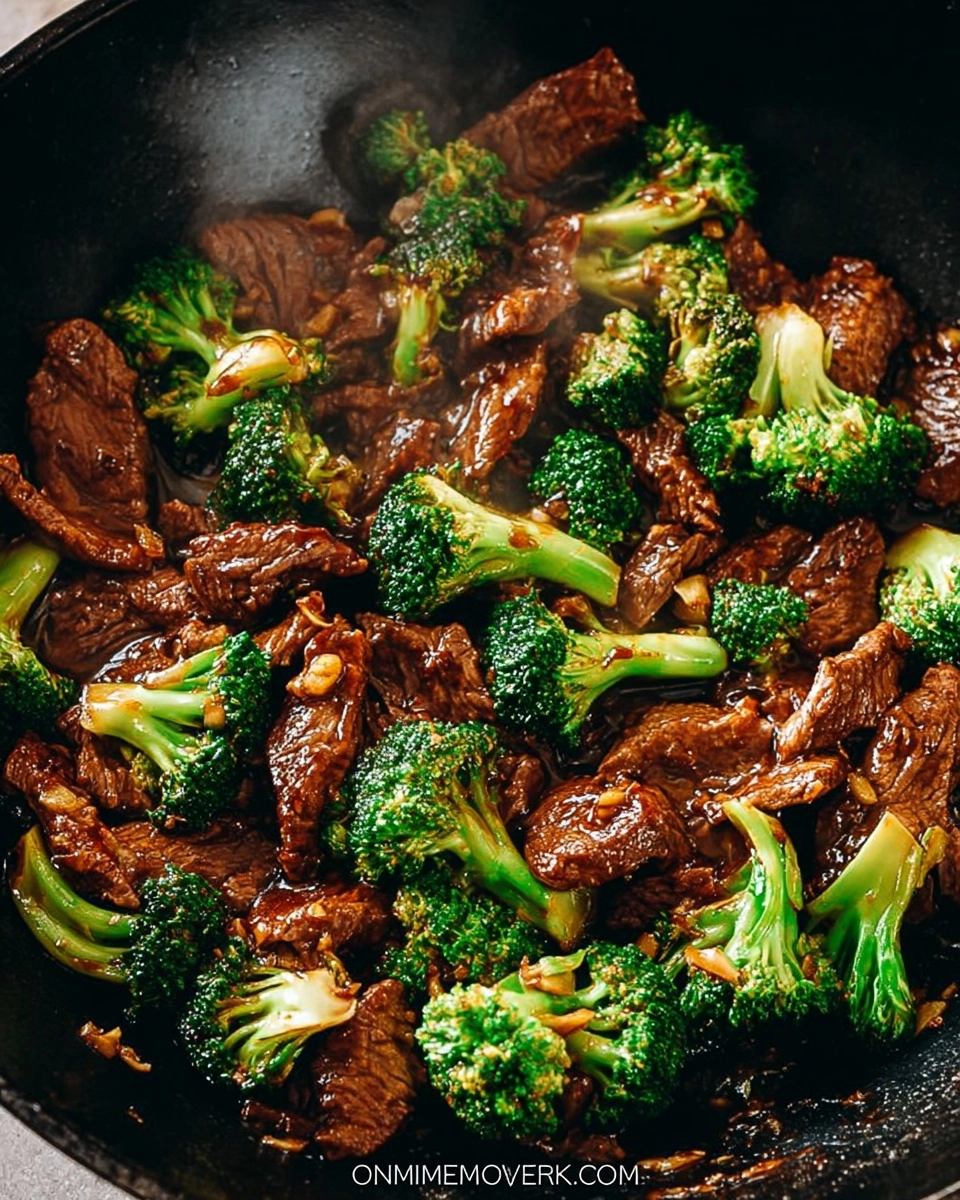
Unlock Restaurant Flavor: Master Beef & Broccoli with Velveting
There's an undeniable allure to that glossy, savory-sweet beef and broccoli stir-fry from your favorite Chinese American takeout spot. The tender, melt-in-your-mouth beef, the vibrant, crisp-tender broccoli, and a sauce that clings perfectly, bursting with umami – it’s a symphony of textures and flavors. What if we told you that achieving this restaurant-quality dish is not only possible but surprisingly straightforward in your own kitchen? The secret lies in a classic technique known as velveting, a culinary game-changer that transforms ordinary beef into something truly extraordinary. Forget soggy broccoli and tough meat; get ready to elevate your homemade stir-fry to legendary status, all within about 30 minutes.
The Secret to Restaurant-Quality Beef & Broccoli: Mastering Velveting
The hallmark of an exceptional beef and broccoli dish is undoubtedly the texture of the beef. Unlike the chewy, dry beef often found in lesser stir-fries, restaurant versions boast a succulent, silky tenderness that seems almost magical. This isn't magic; it's velveting, a time-honored Chinese cooking technique that every home cook should master. Velveting involves marinating thinly sliced protein, most commonly beef, chicken, or shrimp, in a simple yet powerful mixture.
At its core, velveting utilizes two key ingredients: baking soda and cornstarch. The baking soda works by slightly raising the pH of the meat, which helps to tenderize the muscle fibers and aids in moisture retention, preventing the beef from becoming tough during high-heat cooking. Think of it as a natural meat tenderizer. Simultaneously, cornstarch forms a thin, protective coating around each piece of beef. This coating acts as a barrier, sealing in juices and moisture during the cooking process, ensuring the meat remains incredibly tender and takes on that coveted "velvety" mouthfeel. This technique is so crucial to the dish that we have a dedicated guide: The Velveting Secret: Achieve Tender Beef & Broccoli at Home.
To velvet beef for your beef and broccoli, you'll typically combine thinly sliced beef (flank steak is an excellent choice for its beefy flavor and texture) with a small amount of baking soda, cornstarch, soy sauce, and sometimes a touch of Shaoxing wine or dry sherry. After a brief marinade, usually around 20 minutes, the beef is ready to be quickly stir-fried, resulting in meat that's not just tender but also beautifully seared on the outside while remaining juicy within. This step is non-negotiable if you're aiming for that authentic takeout experience.
Crafting the Perfect Sauce: A Symphony of Umami and Sweetness
While tender beef is crucial, the sauce is the soul of any great beef and broccoli. It's the flavorful glue that brings everything together, coating every piece of beef and every florent of broccoli with its rich, glossy goodness. The ideal sauce strikes a perfect balance: deeply savory, subtly sweet, with a hint of acidity and a fragrant aromatic base. This isn't just a simple mix; it's a carefully orchestrated blend of ingredients designed to deliver maximum umami impact.
The foundation of this iconic sauce typically includes a robust combination of oyster sauce and low-sodium soy sauce. Oyster sauce provides a profound umami depth and a subtle sweetness that is irreplaceable, while low-sodium soy sauce allows you to control the overall saltiness of the dish. To this savory base, Shaoxing wine (or a good quality dry sherry) adds a layer of complex, aromatic notes that are essential to Chinese cooking. A touch of brown sugar balances the savoriness with a gentle sweetness, enhancing the overall flavor profile without making it cloying. Freshly minced ginger and garlic are indispensable aromatics, infusing the sauce with their pungent, warming essence. Finally, cornstarch, the same ingredient used in velveting, plays a dual role by also thickening the sauce to that signature glossy, clingy consistency we all love.
Achieving a perfectly emulsified sauce is key. Many recipes call for mixing all the sauce ingredients ahead of time in a small bowl. This not only ensures all components are well combined but also makes the cooking process more efficient, as stir-fries move very quickly. When introduced to the hot wok or pan, the cornstarch in the sauce rapidly thickens, creating a luxurious sheen that beautifully coats the beef and broccoli, making every bite incredibly satisfying. A splash of rice vinegar or a few drops of sesame oil added at the very end can brighten the flavors and add another layer of aroma, elevating your homemade stir-fry even further.
The Supporting Stars: Crisp Broccoli and Flavorful Beef Selection
No beef and broccoli dish is complete without its eponymous vegetable. The broccoli isn't just a sidekick; it's a vital component, providing a welcome freshness and crunch that perfectly balances the richness of the beef and the intensity of the sauce. The key is to cook the broccoli until it's "crisp-tender" – bright green, slightly pliable, but still with a pleasant bite. Overcooked, mushy broccoli is a common pitfall that can easily be avoided.
To achieve this ideal texture, broccoli florets are usually quickly blanched or steamed before being added to the stir-fry. Blanching involves a quick dip in boiling salted water followed by an immediate transfer to an ice bath to stop the cooking, preserving its vibrant color and crispness. Steaming is another excellent method, gently cooking the broccoli until it reaches the desired doneness. Whichever method you choose, ensure the florets are roughly uniform in size for even cooking. Some chefs prefer to add the broccoli directly to the wok in the final stages, relying on the residual heat and the sauce to finish cooking it to perfection.
As for the beef, while velveting will make almost any cut tender, starting with the right choice makes a significant difference. Flank steak is widely considered the classic and best choice for beef and broccoli. Its strong, beefy flavor stands up well to the robust sauce, and its long, lean fibers are ideal for slicing thinly against the grain, which is crucial for tenderness. Slicing against the grain shortens the muscle fibers, making the beef easier to chew and more tender. Other good options include sirloin or even skirt steak, always remembering the importance of thin, uniform slices.
Beyond the Basics: Tips for Your Best Beef & Broccoli Yet
Mastering beef and broccoli goes beyond just the core techniques; it's about refining the process and understanding the nuances that elevate a good dish to a truly great one. Here are some actionable tips to ensure your next stir-fry is your best yet:
- Mise en Place is Your Best Friend: Stir-frying is a rapid-fire cooking method. Have all your ingredients prepped, measured, and laid out before you even turn on the heat. This means sliced beef, chopped broccoli, minced aromatics, and the pre-mixed sauce. This preparation, often called "mise en place," ensures a smooth cooking process and prevents anything from burning.
- Don't Overcrowd the Pan: This is crucial for achieving a proper sear on the beef and preventing it from steaming. Cook the beef in batches if necessary, ensuring there's enough space for each piece to make direct contact with the hot cooking surface. Overcrowding drops the pan temperature, leading to grey, steamed meat instead of beautifully caramelized pieces.
- High Heat is Essential: Stir-fries thrive on high heat. If you have a wok, use it! Its unique shape allows for excellent heat distribution and the quick evaporation of moisture. If using a skillet, opt for a large, heavy-bottomed pan that retains heat well. Get your oil smoking hot before adding ingredients.
- Adjust to Taste: Recipes are guides, not rigid rules. Taste your sauce before adding it to the wok and adjust sweetness, saltiness, or even spice levels (a pinch of red pepper flakes can add a nice kick). Remember, you can always add more, but you can't take it away.
- Serve Immediately: Stir-fries are best enjoyed fresh off the wok. Serve your piping hot beef and broccoli over a bed of fluffy steamed white rice, brown rice, or even noodles to soak up all that delicious sauce.
- Consider Your Oil: For stir-frying, use oils with a high smoke point like canola, peanut, or grapeseed oil. A tiny drizzle of toasted sesame oil right at the end (off the heat) can add a wonderful nutty aroma.
- Experiment with Vegetables: While broccoli is classic, don't hesitate to add other quick-cooking vegetables like sliced carrots, bell peppers, snow peas, or snap peas for extra color and nutrition.
Armed with these techniques and tips, you are now ready to tackle this beloved Chinese American classic with confidence. Preparing Better Than Takeout in 30 Minutes: Silky Beef & Broccoli Recipe at home isn't just about cooking; it's about unlocking a world of flavor and skill that will serve you well in countless other dishes.
Mastering homemade beef and broccoli is a rewarding culinary journey. By understanding and applying the velveting technique, crafting a balanced, umami-rich sauce, and paying attention to the details of cooking the beef and broccoli, you can consistently achieve results that rival your favorite takeout. This dish is a testament to how simple ingredients, combined with smart techniques, can create extraordinary flavors in just half an hour, making it the perfect flavorful weeknight dinner or an impressive meal for guests. So, grab your wok, gather your ingredients, and prepare to delight your taste buds with a truly tender, truly delicious beef and broccoli stir-fry that will make you wonder why you ever ordered in.
